Call For a (208) 275-9025 Free Estimate Today!

Tree Cabling near Vallejo Road Keeps Kuna Trees Standing Strong
Vallejo Road sits in one of Kuna's growing corners. Older acreage lots and newer subdivisions mix together here. Many trees in this part of town have grown for 30 years or more. If you live near Vallejo Road and worry about a tall tree splitting, this page is for you. Tree cabling helps homeowners protect their property and their trees.
Wind gusts in the Treasure Valley can reach 50 to 65 mph during spring and summer storms. Multi-stem trees near your home, fence, or power lines can shift and crack under that force. Trees along Indian Creek and close to new neighborhoods face this storm stress every season.
If you have a mature tree with a split trunk or heavy branches, now is a good time to check whether it needs support.
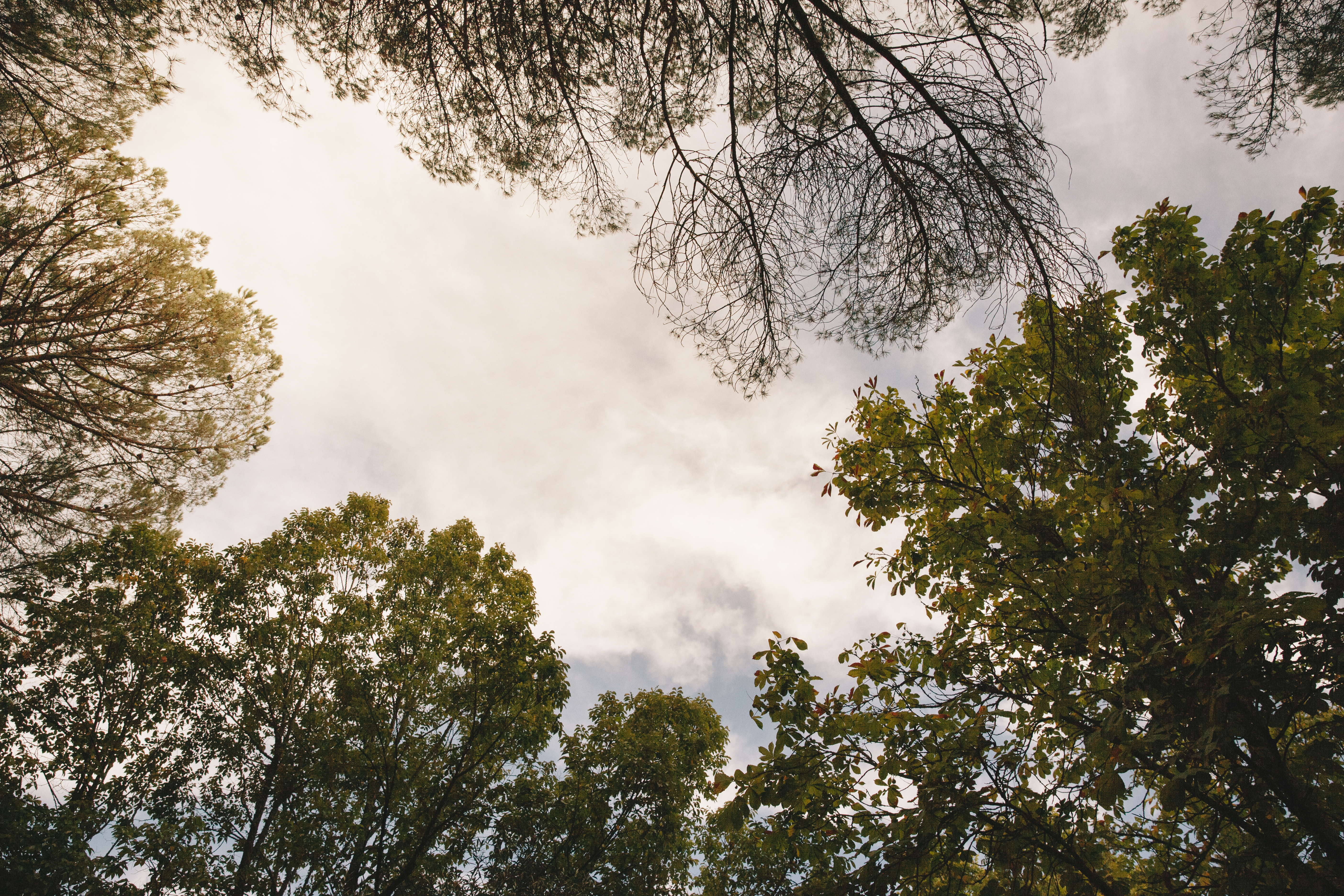
Multi-Stem Trees on Kuna Lots Need Extra Support During Wind Season
If you own a home on an acreage lot or in a subdivision, you likely have mature shade trees. Some of those trees grew with two or more trunks from the base. Others developed a "V" or "Y" fork when they were young.
Siberian elms, maples, and chokecherries often grow this way in Kuna. These split trunks look normal, but they can become weak points over time.
Kuna's alkaline soil adds extra stress. Trees here sometimes struggle to pull nutrients from the ground. That stress weakens the spots where branches meet the trunk.
When wind season arrives, a weak fork can crack or tear apart without warning. An early look at your tree helps you avoid costly emergency work after a storm. Properties near Ten Mile Road and Black Cat Road deal with the same mature-tree concerns.
Cables and Braces Keep Co-Dominant Leaders
from Splitting Apart
You may wonder if your tree can be saved or if it needs to come down. In many cases, tree cabling can add 15 to 20 years to a tree's useful life.
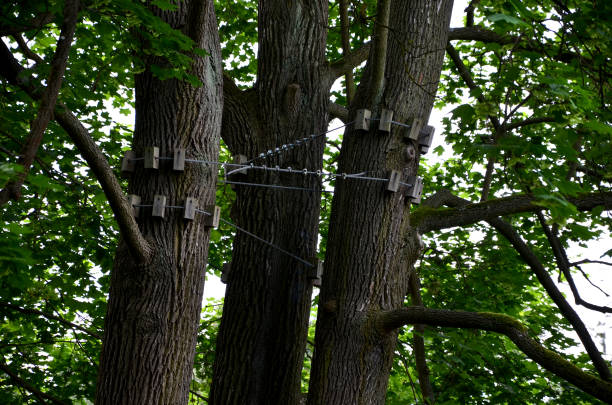
Steel cables connect the upper branches of a tree. They limit how far those branches can sway when wind picks up. Bracing rods work lower on the trunk. They hold a weak split together near the crotch where two stems meet. According to the University of Massachusetts Urban Forestry program, cables are always installed high in the tree—at least two-thirds the distance from the defect to the crown—while bracing rods go just above or below the weak point.
After recent wind events in the Treasure Valley, many Kuna residents found hidden cracks in their trees. A split that was not visible before can open up fast under storm pressure.
Homes along Indian Creek Greenbelt often have older shade trees. These trees grew quickly in the moist soil near the water. Fast growth can mean weaker wood, so support hardware helps these trees hold together.
What to Expect When an Arborist Visits
Your Vallejo Road Property
If you have never scheduled a tree assessment, you may not know what happens during the visit. We keep the process simple and give you clear findings before any work starts.
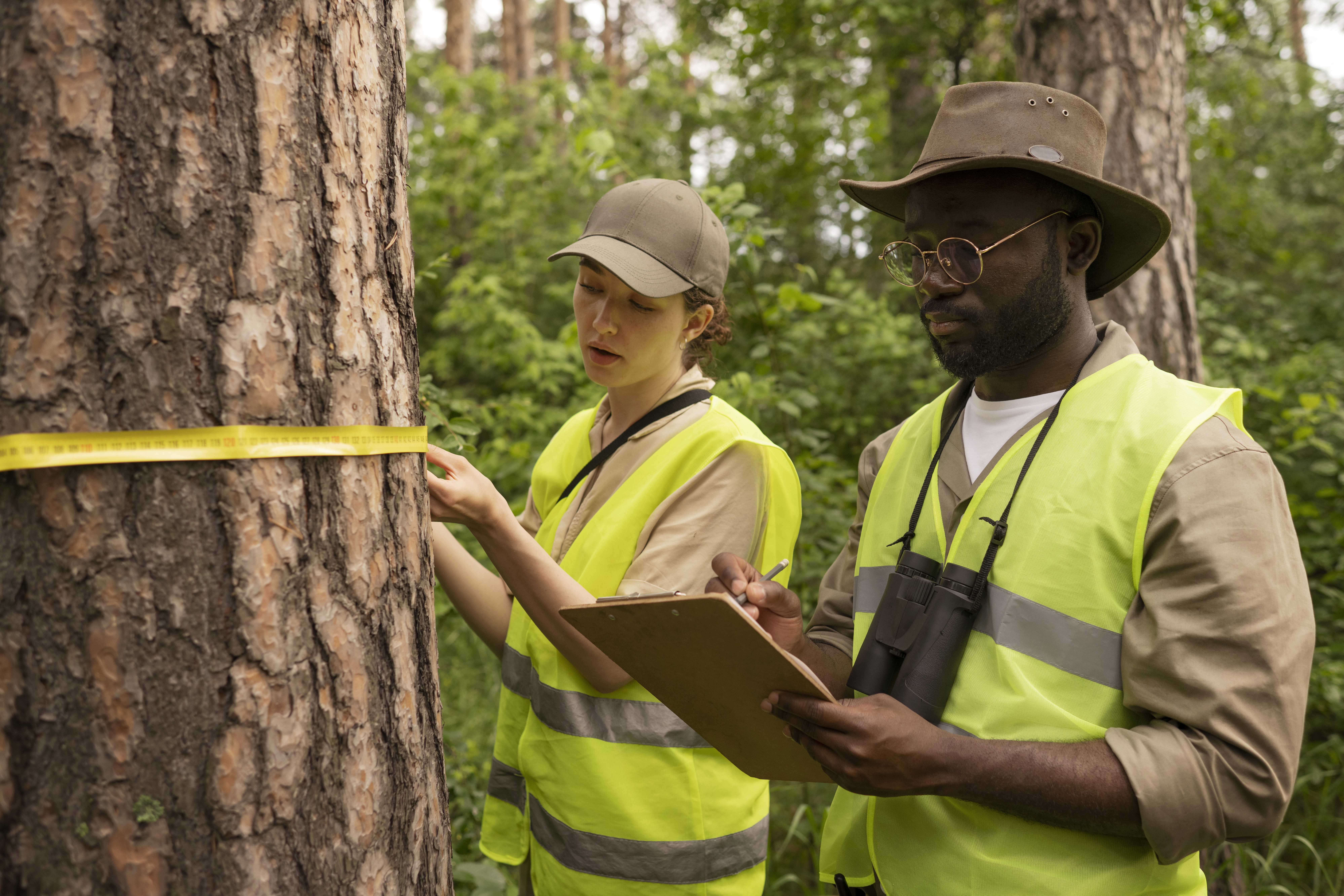
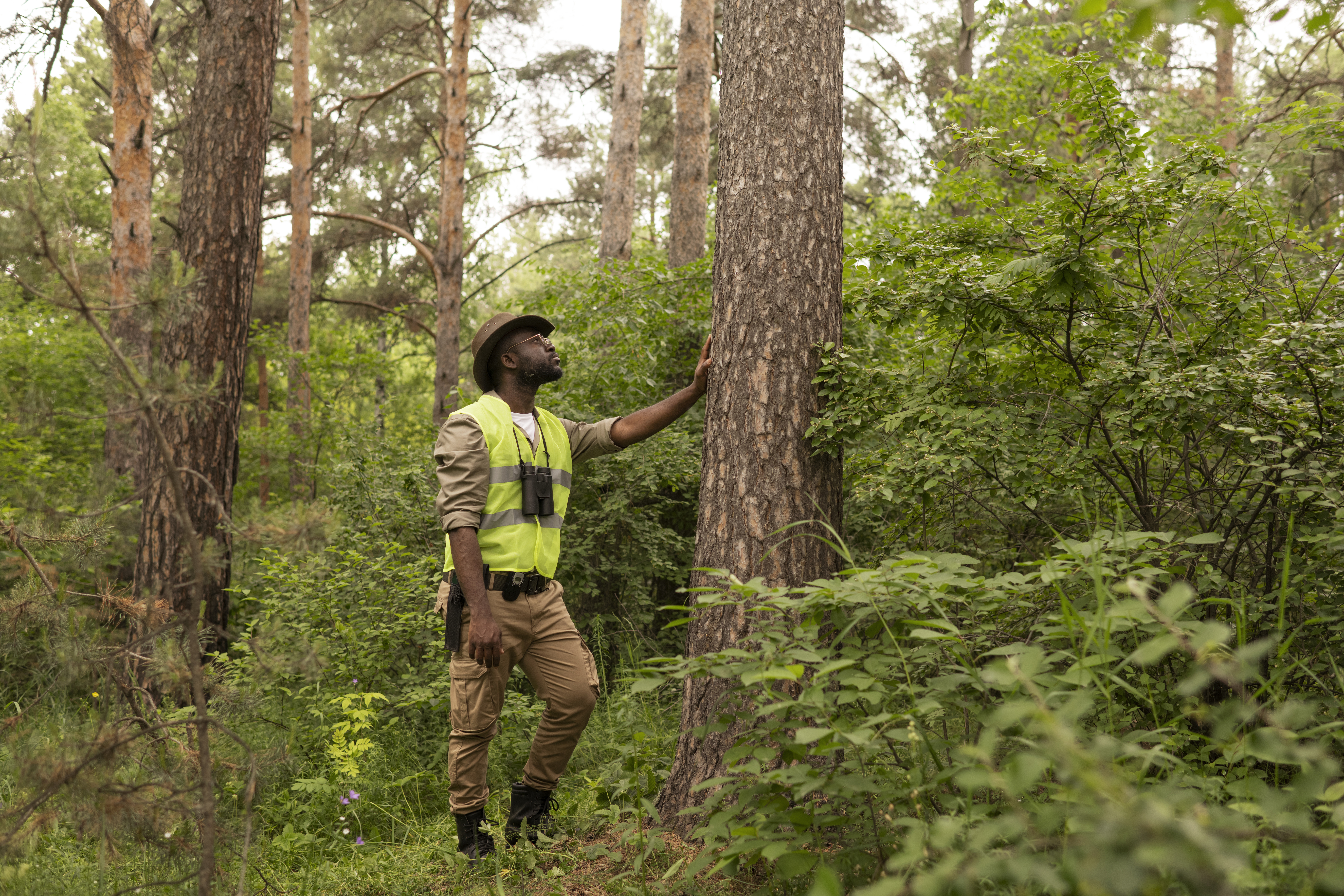
Our arborist walks around your tree and looks for warning signs. These include leaning trunks, cracks in the bark, and heavy limbs that hang over structures. We also check how close branches are to your roof, fence, and utility lines.
Many Kuna acreage lots have long driveways. Our crews bring trucks and gear directly to your tree so we can get a close look. You will know what we recommend and why before we move forward.
Customers in subdivisions off Cloverdale Road often schedule same-week visits. We work to fit your timeline.
How We Install Tree Cables on Residential
Lots in Kuna
You deserve to know how the work gets done before you sign off. Most tree cabling jobs wrap up in a single visit with little disruption to your day.
Our crew climbs into the upper crown of the tree. We drill small holes through the branches that need support. Steel cables run between those branches. We then pull the cables tight so the limbs move together instead of apart.
If your tree has a weak union lower on the trunk, we add bracing rods. These rods pass through the trunk near the split and hold the two sides in place.
Standard cable work stays up in the tree. We do not need to dig near Boise-Kuna Irrigation District lines or disturb your yard. Properties near Swan Falls Road often have open space that allows our bucket truck easy access.
Reaching Our Team from Vallejo Road and
Nearby Kuna Neighborhoods
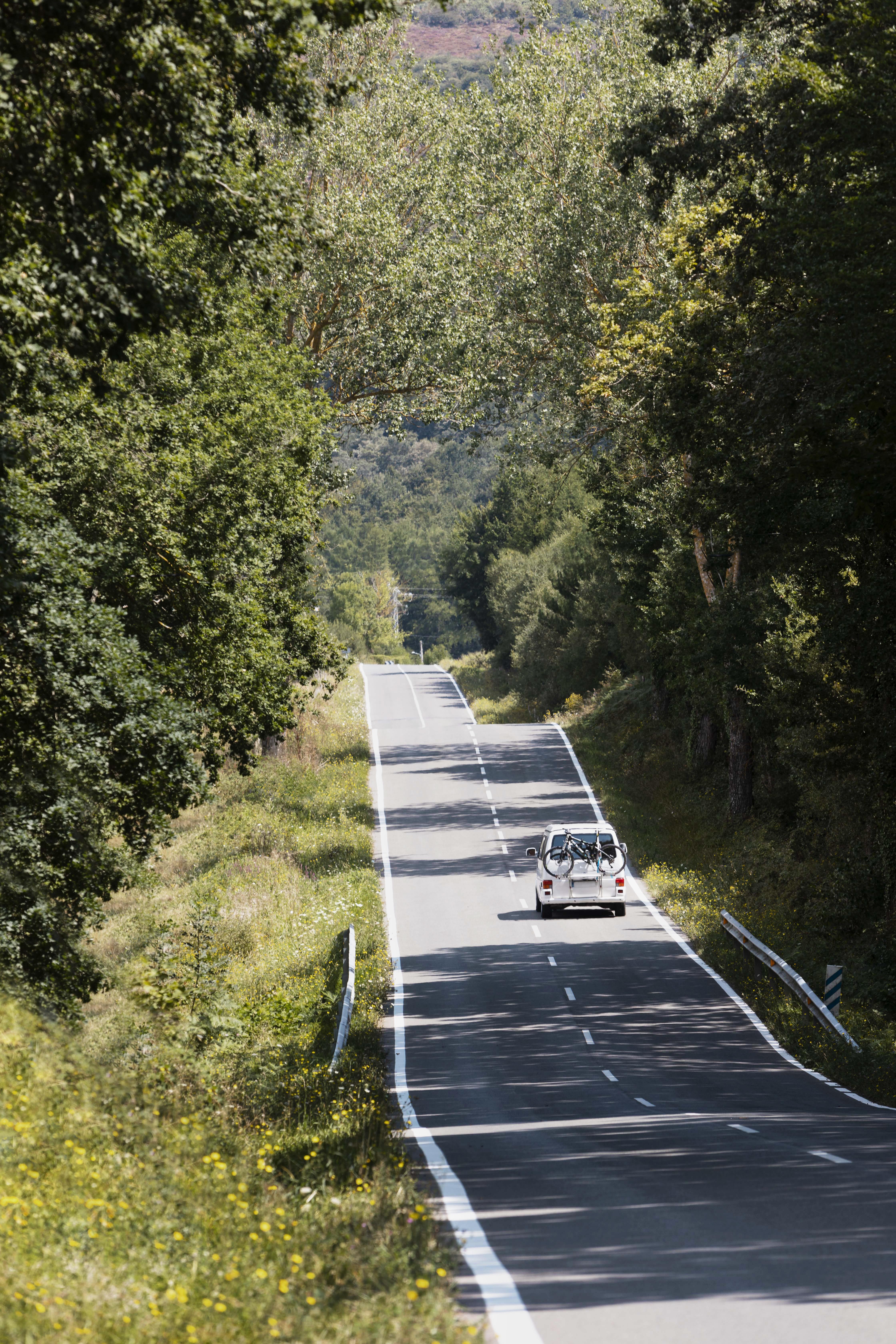
Getting to our location from Vallejo Road takes about 22 minutes by car. The route is simple and runs through familiar Kuna-area roads.
From West Vallejo Road:
- Head west on Vallejo Road until you reach S Cole Road
- Turn left onto S Cole Road and drive about one mile
- Turn left onto W Lake Hazel Road
- Continue on Lake Hazel Road and take ID-69 south toward Kuna
- Stay on the road as it becomes W Trophy Street
- Turn onto N Two Pt Avenue—you will see The Castle Gardens nearby
Our address is 1640 N Two Pt Pl, Kuna, ID 83634.
We serve south Kuna, downtown, and the corridors that run toward Meridian. Crews often stage equipment near Kuna Road for quick access to west-side properties. Residents along McDermott Road and Columbia Road fall within the same service window.
View our full service area to learn more.
Routine Cable Checks Help Trees Stay
Healthy Year After Year
Once cables are in place, your tree needs a quick look each year. Annual inspections catch loose hardware before the next storm season arrives.
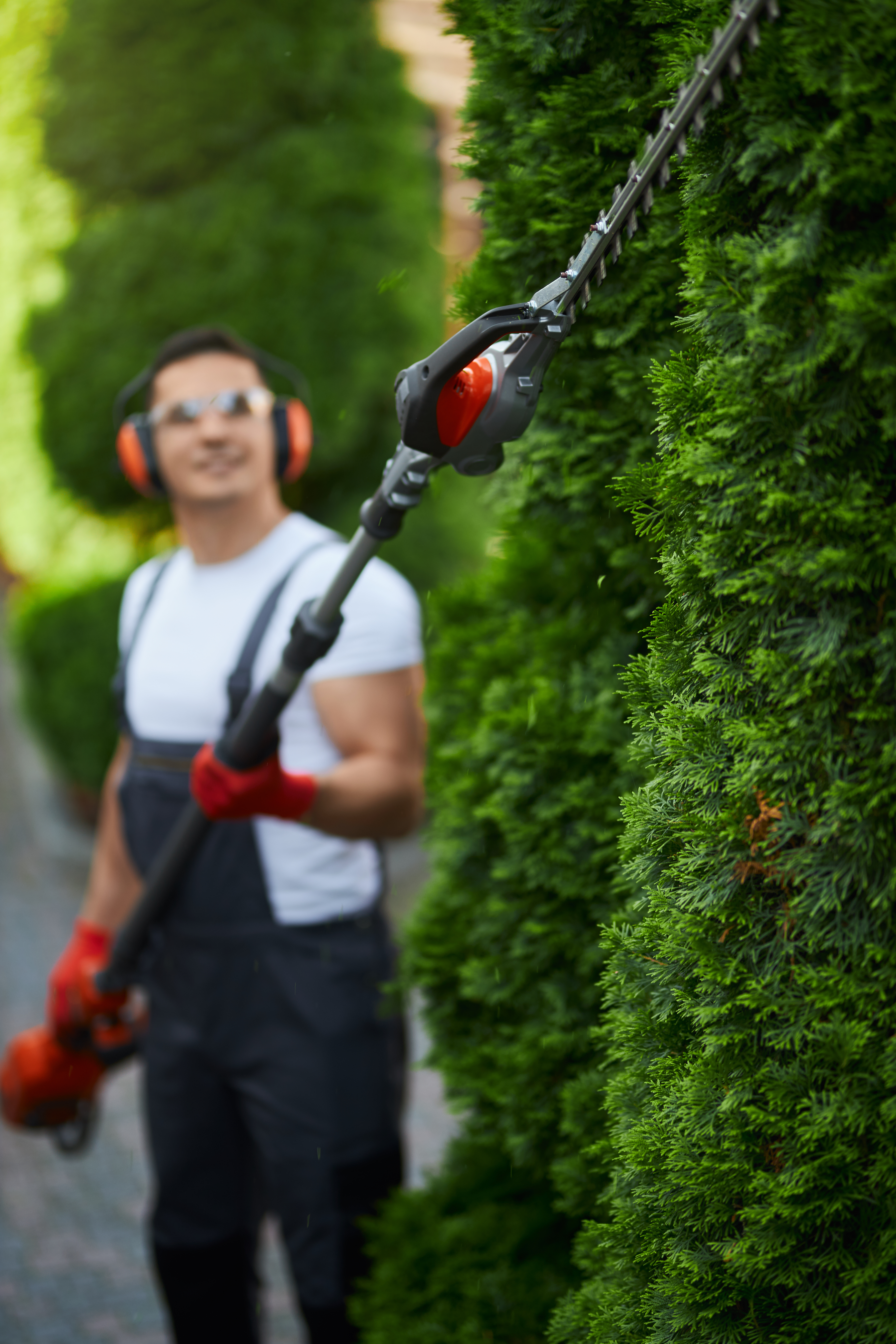
Our arborist performs a ground-level visual check. This takes only a few minutes and does not disturb your tree or yard. We look at cable tension, search for new cracks in the bark, and confirm the hardware has not shifted.
Kuna's freeze-thaw cycles in late winter put stress on older cable systems. Metal can expand and contract as temps swing. A yearly visit keeps everything tight and working as it should.
Homeowners near Falcon Crest and the Valor subdivision often bundle cable checks with spring pruning. One visit handles both tasks and keeps your trees ready for the windy months ahead.
Frequently Asked Questions
Can I cable a tree close to my Kuna property line without notifying my neighbor?
You do not need a permit or city approval to cable a tree on your own lot.
All work stays on your property. A courtesy heads-up to your neighbor is a nice gesture, but Kuna does not require it.
Do I need a permit to cable a tree in an HOA subdivision?
Most HOAs allow tree maintenance without a formal approval process.
Cabling counts as care, not removal or major landscape change. Check your CC&Rs to confirm the rules for your neighborhood.
How long does cable installation take on a typical Kuna acreage lot?
Most single-tree jobs take two to four hours from start to finish. Larger properties with multiple trees may need half-day scheduling. We give
you a time estimate before we begin.
Is tree cabling safe near irrigation canal right-of-ways?
Yes, cabling is safe near canal areas. Cables and hardware stay up in
the tree crown. We do not dig or disturb anything underground.
Should I schedule cabling before Kuna Days weekend or other summer events?
Booking early helps you avoid delays. Crews stay busy across the Treasure Valley during peak summer months. A call a few weeks ahead keeps your
project on track.
What happens if my cabled tree still fails during a wind storm?
Cables lower the chance of failure, but no system can prevent every break.
If a cabled tree suffers major damage, our arborist can assess it and recommend next steps, including removal if needed.
Transforming Outdoor Spaces, One Yard at a Time.
